I was inspired to make my own sourdough bread, by going to the Do Lectures 2008, and have been making bread even since.
I would like the opportunity to share what I have learned so you can make your own sourdough bread!
Four easy steps to making your own sourdough rye bread
(spread the yum!)
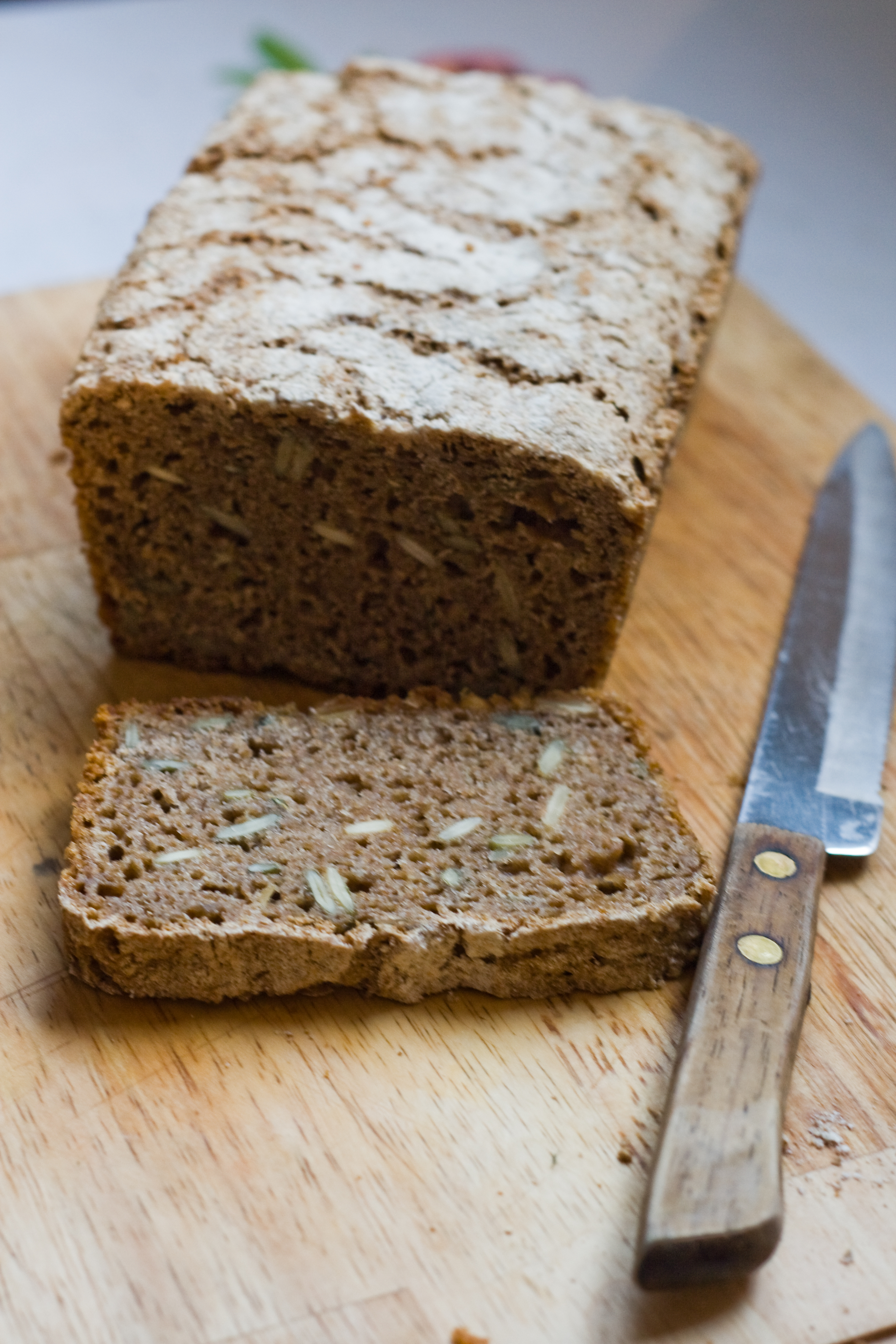
Step One: Bread Starter
Bread starter is live yeast made from fermenting flour and water.
Supplies needed:
- Very clean wood, glass or enamel bowl (not metal)
- 1 wooden spoon
- ½ cup of flour
- A dash of salt
- ½ cup of water
- Clean linen tea towel
Place the flour and water together in the bowl and mix thoroughly. Cover with a damp cloth and leave a warm place (20-25 degrees C). If you do not have a warm place put the starter in a black plastic bag, inflate it like a balloon and seal shut.
Repeat process above every 24 hours for seven days. If the starter is smelling sour like live active yeast – or a little like beer – you’re on the right track!
By the seventh day you should have a good starter. Keep your starter in the fridge, and refresh each week by stirring in with ½ cup of water and ½ cup of flour each week.
Step two: Making bread mixture
Supplies needed:
- Large bowl – not metal
- Wooden spoon
- 1 tablespoon of honey
- 1 cup of rye flour
- 1 cup of water
- ½ cup of starter
Mix thoroughly and leave to rise with a damp cloth or plastic bag for a couple of hours at 20-25 degrees C. When the mixture is ready it should look bubbly and frothy.
Step Three: Making Bread Mixture
Supplies needed:
- 2 bread tins – lightly oiled
- 5 cups of rye flour
- 1 cup of water
Add the flour and water to the bread mixture.
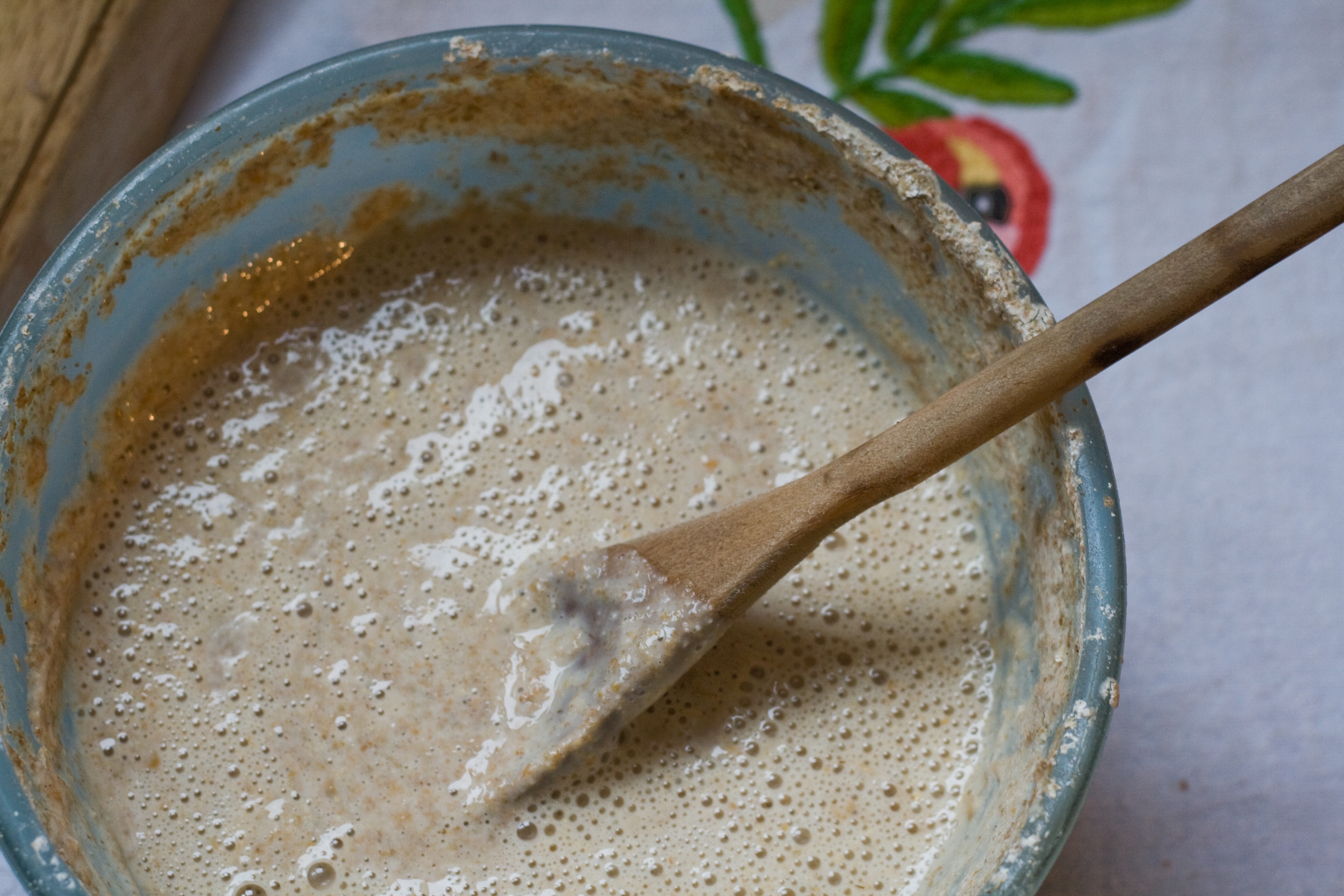
Step three: Making bread mixture
- Five cups of rye flour
- One cup of water
Add these ingredients to yesterday’s mixture, mix thoroughly and place in a warm space until the next day or for two to three hours in a warm space 70-80 degrees F (20-25 degrees C).
This is how the process should look like
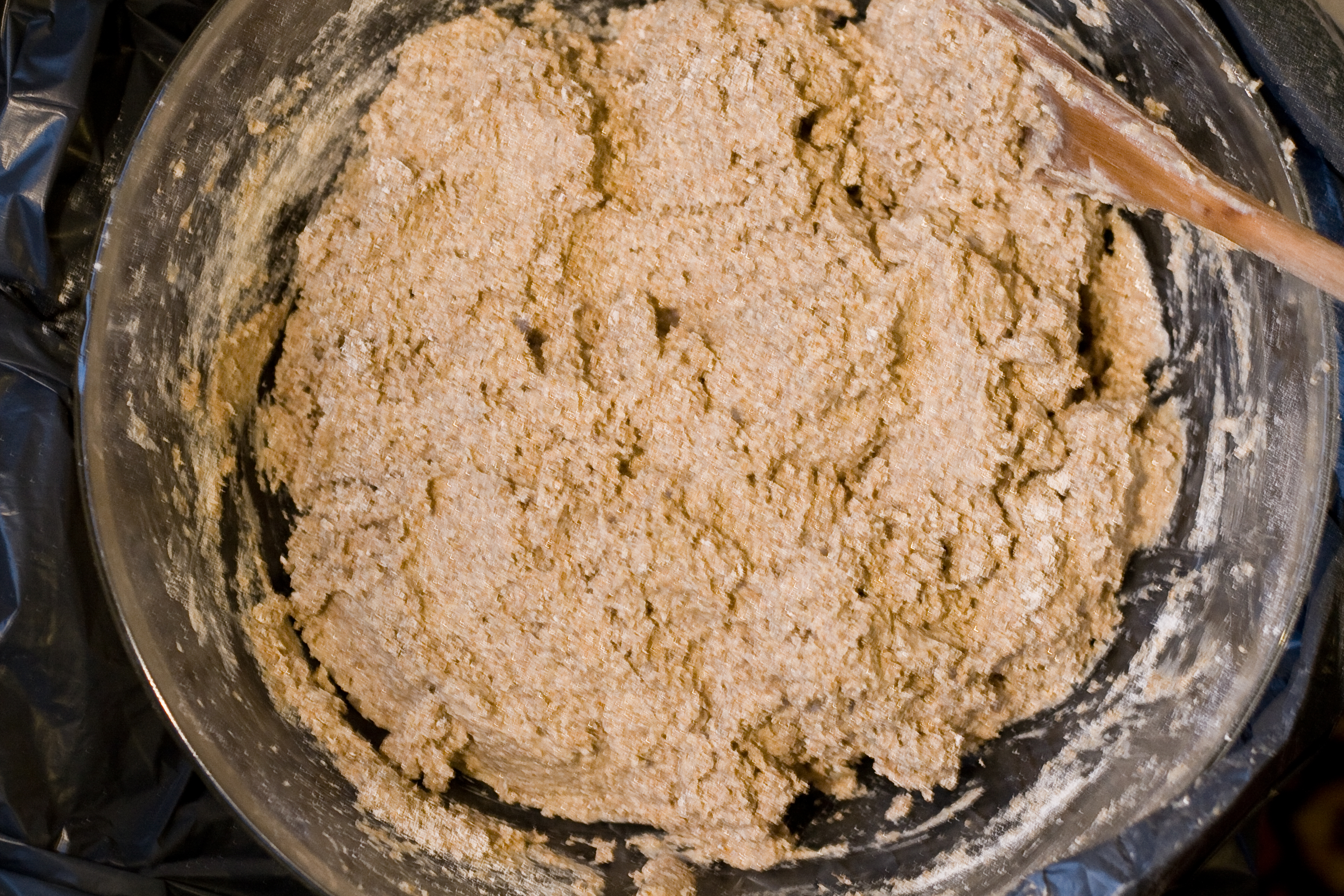
Leave the dough covered at constant temperature until it’s around double in size.
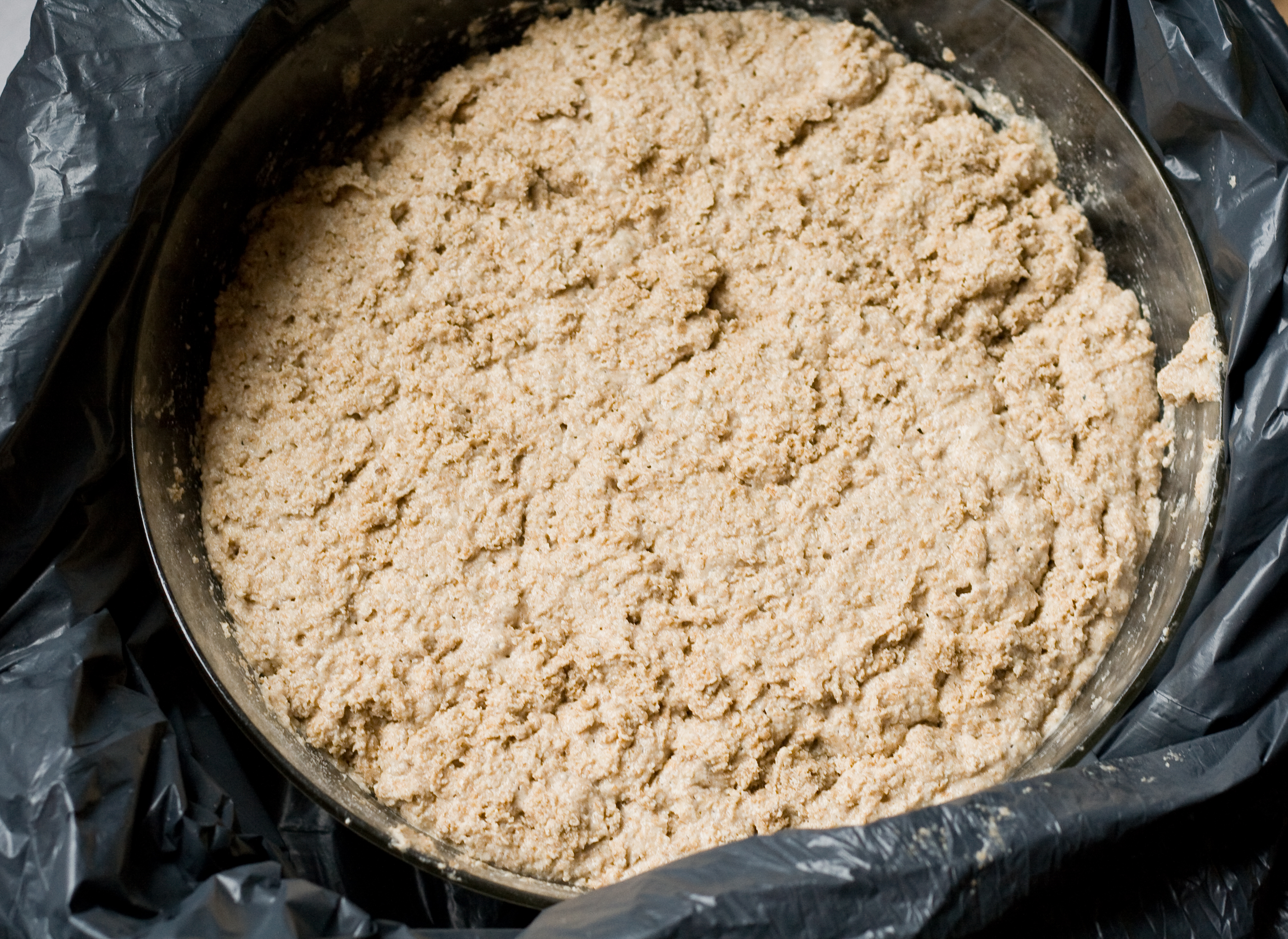
Step Four: Bread Mixture
Next place a cup of flour on a clean table and place the risen ingredients on the floured surface. Sprinkle flour on top and knead the dough.
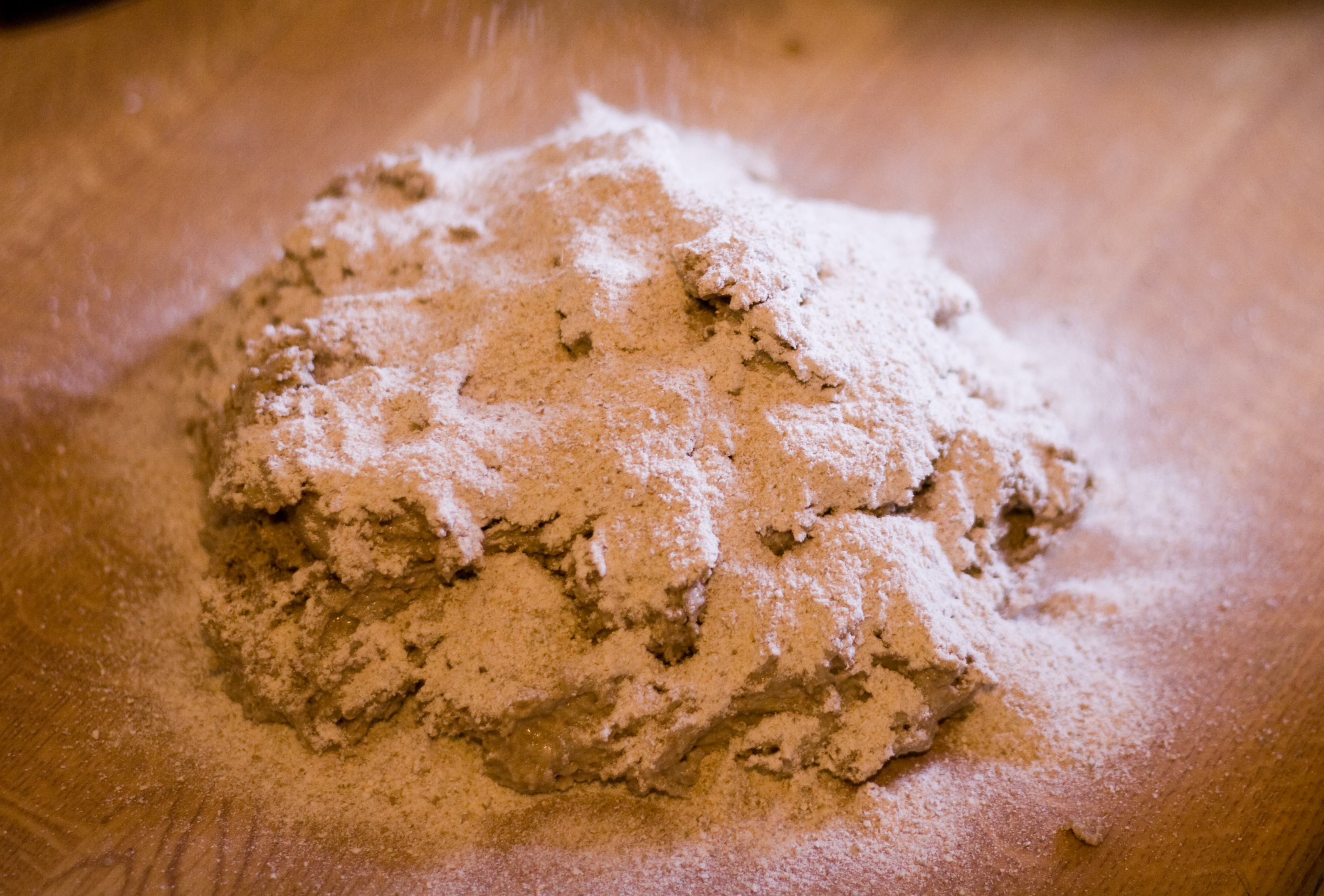
Next day, place the leavened dough on a heavily floured surface with a good amount of flour on top of bread mixture.

Knead the dough lightly into a ball.
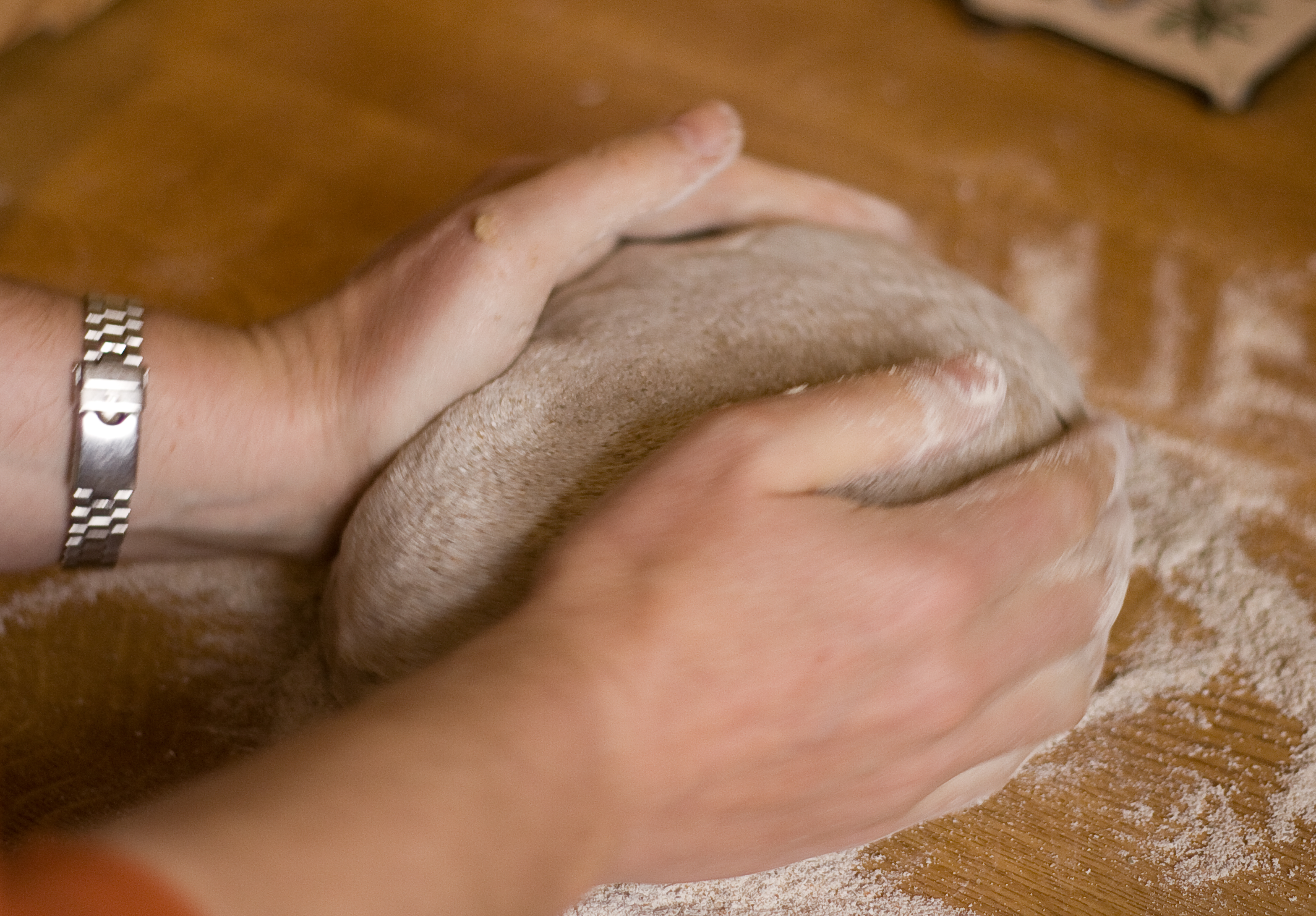
Rye dough is stickier than regular wheat dough, is heavier and can be more difficult to knead. Resist adding too much flour – which will make the bread very heavy.


Slice in half and place each half in the oiled tins. Sprinkle flour on top of each loaf and either place a damp cloth on top or place the tins in a plastic bag. Leave in a warm place until doubled in size. It is very important to have a consistent temperature for the final process. If you don’t it may affect the rising process, and you will end up with a very heavy loaf of bread.
Step five: Final stage!
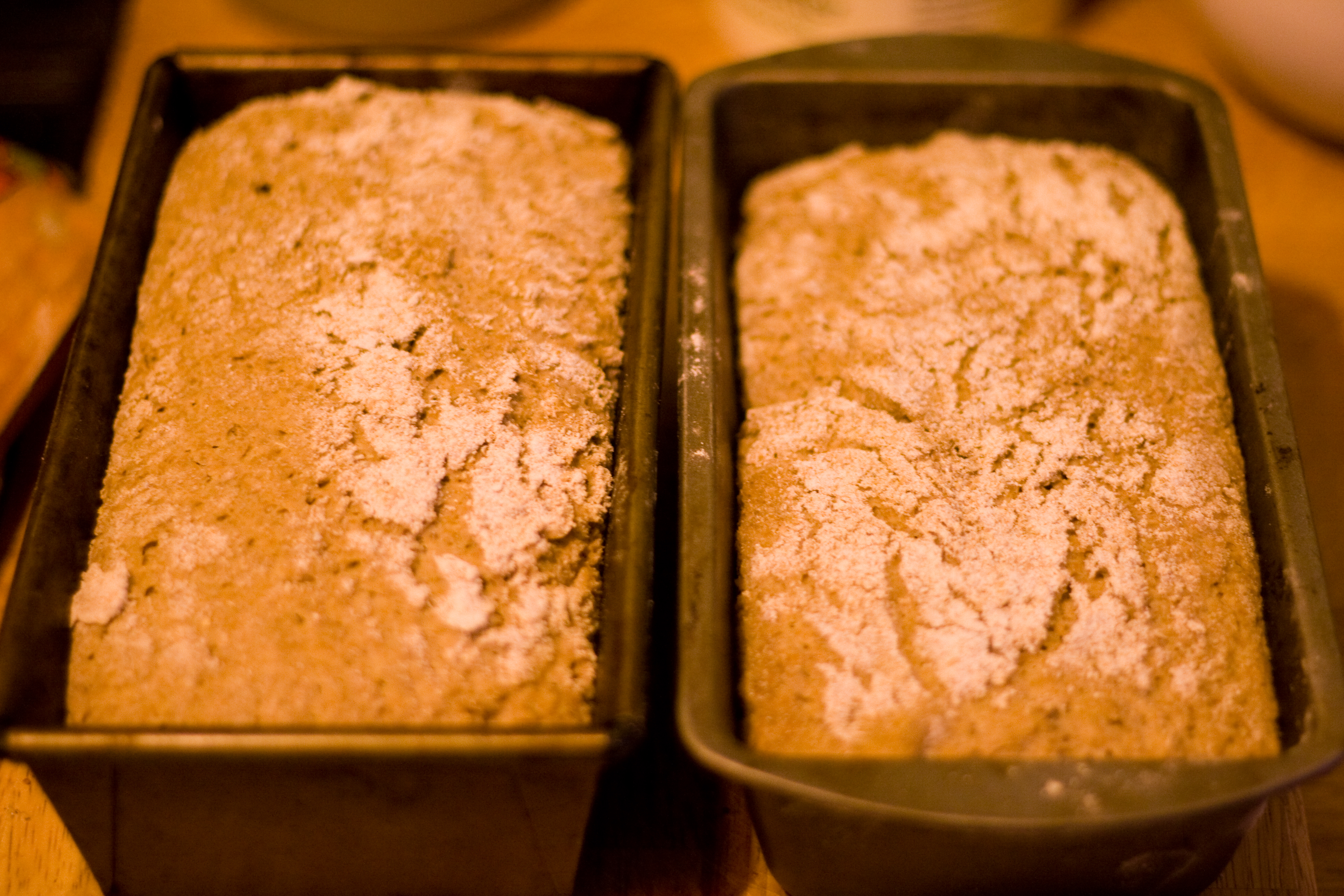
Heat your oven to 210 degrees C and then placed the leavened bread in the oven for 20-30 minutes. Let the bread cool with a cloth on top then enjoy!
Please note this is a basic recipe I have made to get you started. I am available for personal or group workshops for sourdough bread making.
Contact details:
Mobile: 07903 102675
Website: melodymakesit.com
Email: melody@melodyweightman.com
Helpful online info for beginners:
sourdough.com/blog/sourdom/beginners-blog-starter-scratch
I’m from Canada so I measure ingredients using cups, but if you would like to know how to convert my measurements to grammes there are converters on line.
 Melody Makes It